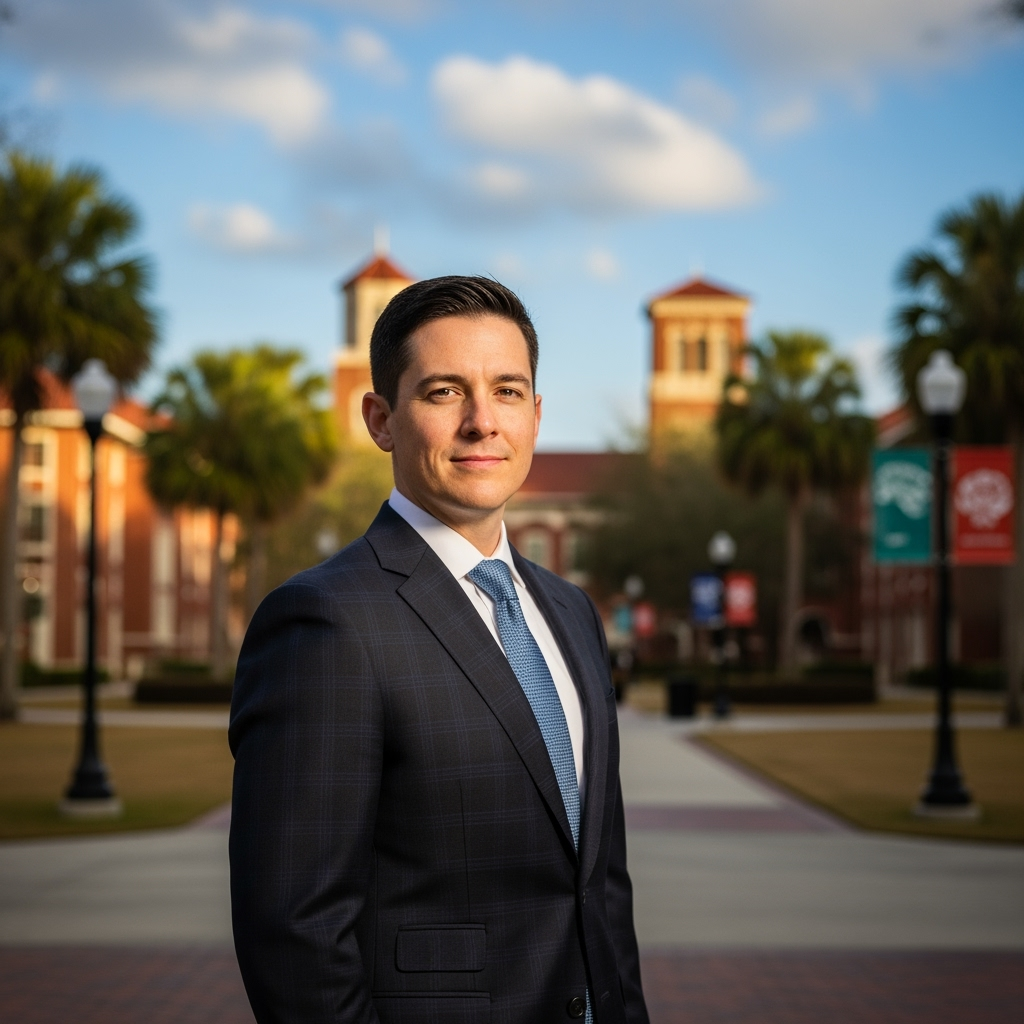
Facing a criminal allegation as a student can feel disorienting and scary, but you don’t have to navigate it alone. If you or someone you care about needs help, I recommend speaking with a college campus crimes attorney in Orlando, FL right away. For context about federal reporting and campus safety standards, see the FBI homepage for national crime trends and guidance on criminal investigations at FBI.gov.
Why college campus crimes require special attention
Campus-related charges are different from off-campus cases in a few key ways. First, schools often run parallel disciplinary processes—academic or conduct hearings—that can threaten enrollment and housing, separate from criminal court. Second, the campus setting brings a mix of witnesses, student housing issues, and policies that many students don’t fully understand. Because these cases can affect your future—scholarships, transfers, career plans—I take time to explain both legal and campus-level consequences in plain language so you can make smart decisions.
Common types of campus crimes in Orlando
On a college campus in this city you’ll see a range of allegations. Some are property-related, like theft from dorms or stolen bikes near campus. Others are more serious and include assault, dating or domestic violence, sexual assault allegations, drug possession, and DUI or underage drinking-related offenses. Cybercrimes and harassment through social media also show up more often now, especially when evidence spreads quickly online.
Title IX and criminal charges
Title IX processes are administrative reviews schools use for reports of sexual harassment or assault. They don’t decide criminal guilt, but their outcomes can lead to suspension or expulsion. That means someone could be cleared criminally yet still face campus discipline, or vice versa. It’s crucial to treat both processes strategically and to avoid actions that could unintentionally harm your position in either forum.
Trends you should know about
Two trends are affecting students and campus safety right now. First, colleges are updating procedures to comply with recent federal guidance on how sexual misconduct is investigated, which changes standards and timelines in some schools. Second, the digital spread of evidence—recordings, social posts, messages—has made early evidence management crucial. If a post or message could be used against you, deleting it may create additional problems; instead, preserve evidence and let your attorney advise you.
Immediate steps to take if you are accused on campus
Speed matters. How you respond in the first 24–72 hours often shapes the whole case. I recommend these practical steps to protect rights and reputation while the situation unfolds.
- Stop communicating with the accuser and any witnesses. Avoid text messages, DMs, or attempts at explanation that could be misinterpreted or used later.
- Preserve evidence. Save messages, photos, and any materials that prove your timeline or version of events. Take screenshots and back them up to a private location.
- Ask about your school’s interim measures and disciplinary timeline. Request documentation of any accusations so you can respond thoughtfully.
- Contact an experienced campus crimes attorney to assess criminal exposure and communicate with investigators or campus officials on your behalf.
How a campus crimes attorney helps in Orlando
As someone who focuses on these cases, I know the local landscape. A dedicated attorney does more than just show up in court. We investigate early, interview witnesses, gather phone and location records, and coordinate with experts when needed. In Orlando, with its mix of UCF, Valencia College campuses, and private colleges nearby, local knowledge helps us chart the best route for each student, including whether to negotiate with prosecutors, prepare for trial, or push for alternative resolutions.
Protecting academic standing and housing
One big mistake students make is treating campus hearings as separate and less important. They’re not. I often work to line up evidence and testimony that serves both criminal and administrative processes, try to negotiate less damaging sanctions when appropriate, and push for fair procedures at hearings to protect enrollment and scholarship status.
Common defenses and strategies
There’s no one-size-fits-all defense, but certain strategies are often effective depending on the facts. Sometimes the alleged behavior didn’t occur; sometimes it was consensual; other times there are holes in witness accounts or problems with how evidence was collected. A good defense looks at credibility, timing, and technical details like search and seizure rules.
- Challenge evidence collection. If police didn’t follow procedure, some evidence might be suppressed.
- Question witness credibility and motive, especially if peer dynamics or misunderstandings play a role.
- Explore alternatives such as diversion programs, counseling-based resolutions, or negotiated pleas that avoid severe long-term consequences.
What to expect from campus disciplinary hearings
Campus hearings can be formal and stressful. Procedures vary by institution, but generally you’ll get a notice, an opportunity to respond, and a hearing where both sides present accounts. Schools may have different standards of proof (preponderance of evidence vs clear and convincing), and often allow advisors or attorneys to participate in some fashion. Preparing carefully—witness lists, statements, and a clear timeline—makes a real difference in these hearings.
Responding to investigators and police
If police contact you, remember your constitutional rights. You can and should ask whether you are free to leave and whether you are being detained. You do not have to answer questions without an attorney present. Politely declining to speak until you have legal counsel is often the right move. If you do speak, be aware that comments may be used later in school or criminal proceedings.
Special considerations for underage students and alcohol-related cases
Alcohol and party-related incidents are common sources of campus crimes in the area. While an underage drinking citation might seem minor, it can trigger conduct investigations, parental notification, and scholarship jeopardy. We aim to limit collateral consequences through early intervention, diversion options, and skillful negotiation with school officials or prosecutors.
Managing social media and evidence preservation
Digital material is typically central in campus cases. Screenshots, videos, DMs, and location data can confirm or contradict accounts. Don’t post about the incident, delete messages, or engage in public arguments. Instead, gather and preserve any potentially relevant content and hand it off to your attorney. That preserves credibility and prevents additional allegations such as witness tampering.
Local resources and next steps
Orlando has a web of resources that intersect with campus cases—student legal services, counseling centers, and municipal courts. If safety is an immediate concern, contact campus security or local law enforcement. For legal strategy, talking to an experienced campus crimes attorney gives you a clearer picture of options like pretrial diversion, protective orders, or petitioning for alternative resolution paths. I prioritize early meetings so we can quickly map a strategy and minimize long-term impact.
How we build a defense in this area
When I take a campus case in Orlando, the first week focuses on stabilizing the situation and collecting facts. That means securing evidence, identifying witnesses, requesting school records, and reaching out to police to understand charges and timelines. From there we evaluate whether to pursue dismissal, negotiate, or prepare for trial. We also make sure you understand the collateral issues the case might trigger, such as immigration status, scholarship eligibility, or registration requirements.
How parents and guardians can help
Parents often want to step in and solve things quickly. While support is essential, hasty attempts to contact accusers or school officials can backfire. The best role for a parent is to provide steady emotional support, help secure private counsel, and allow the student to take legal advice. If necessary, parents can assist with finances for legal counsel or with logistics like housing while the case proceeds.
When to consider early resolution versus going to trial
Every case is unique. We weigh factors like the strength of the evidence, potential penalties, impact on academic life, and long-term records. Sometimes early resolution (a plea to a lesser charge, diversion, or non-disciplinary agreement) limits harm and protects graduation plans. Other times, when evidence is weak or rights were violated, fighting the charge is the better choice. Our job is to explain trade-offs so you can choose with confidence.
Preventive advice to avoid campus legal trouble
Smart choices reduce risk. I advise students to be mindful of alcohol intake, avoid personal-sharing that could be misread later, and keep to well-lit areas when possible. Know your school’s code of conduct and what resources exist for conflict resolution. If you or a friend face escalating conflict, seek mediation through campus services before things become a formal complaint.
Case outcomes and life after a charge
There are many potential outcomes—dismissal, not guilty verdict, convictions, civil agreements, or administrative sanctions. Even after a case resolves, options like record sealing or expungement may be available depending on the charge and state law. We guide clients through post-case steps that protect employment prospects and educational goals, such as requesting non-disclosure when appropriate.
Why local experience matters
Orlando’s courts, prosecutors, and campus administrators develop patterns over time. Working with someone familiar with the local prosecutors, campus conduct officers, and judges can mean quicker resolution and better outcomes. I use that local perspective to negotiate realistically and to prepare strong defenses when the case goes to trial.
Final thoughts
Being accused while you’re in school is a crisis, but it’s one you can manage with the right plan. Protect your rights early, preserve evidence, limit communication with accusers, and get legal help before making important decisions. With thoughtful, strategic action you can protect your academic future and personal freedom.
If you need immediate guidance or want to discuss options here in Orlando, I encourage you to contact Criminal Attorney Orlando for a confidential consultation tailored to campus cases in the city and surrounding neighborhoods.